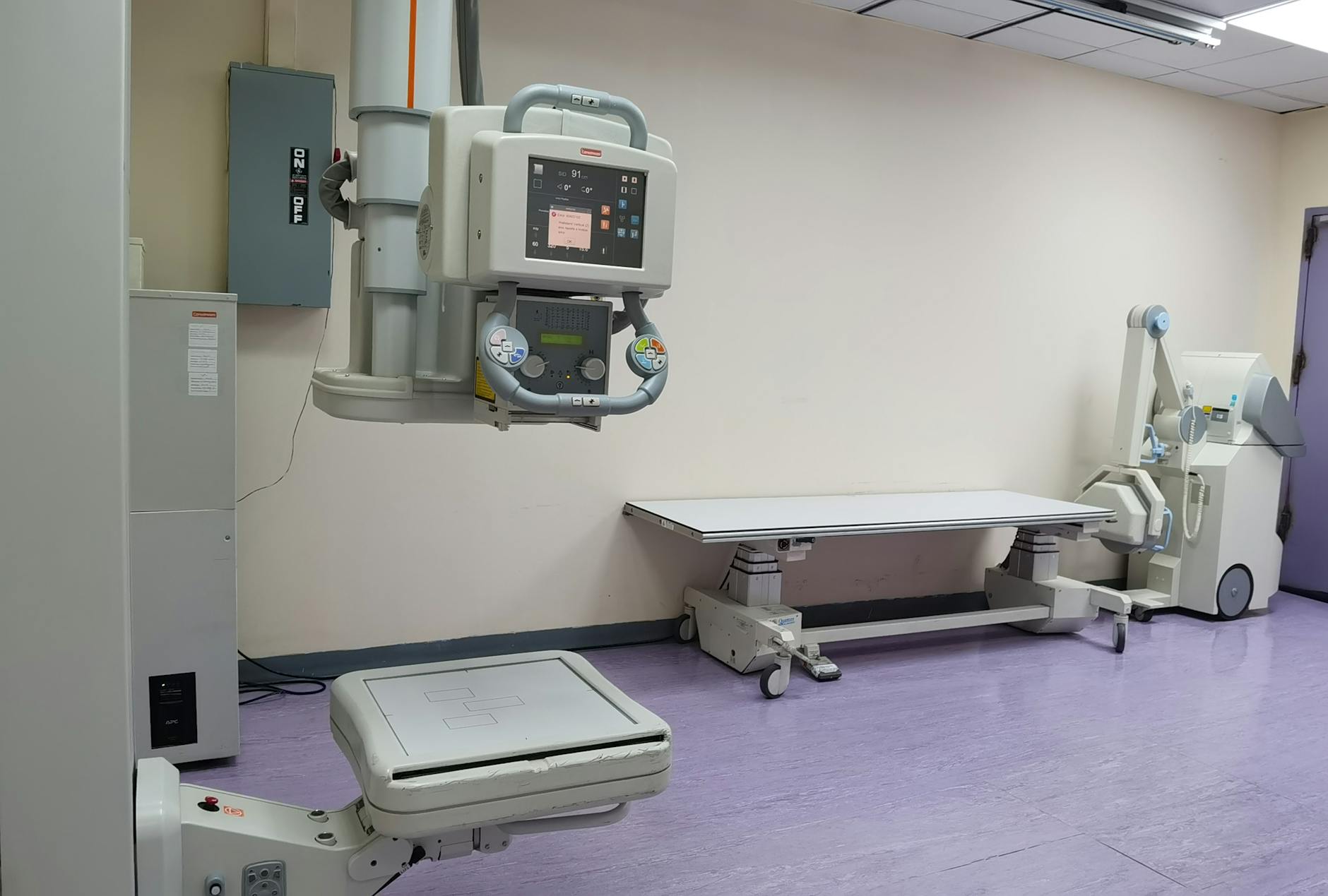
AI in Healthcare: Transforming Diagnostics and Personalized Treatment Plans
Artificial Intelligence (AI) is no longer a futuristic concept in healthcare—it's here, and it's revolutionizing the way we diagnose diseases and tailor treatments to individual patients. By integrating AI into diagnostics and personalized treatment plans, healthcare providers are achieving unprecedented improvements in patient outcomes.
Enhancing Diagnostic Accuracy
Diagnostic errors have long been a challenge in healthcare, leading to delayed treatments and adverse patient outcomes. AI is changing this narrative by significantly improving diagnostic precision.
Reduction in Diagnostic Errors: AI algorithms can reduce diagnostic errors by up to 40%, enhancing patient safety and care quality. (zipdo.co)
Early Detection of Diseases: AI diagnostics can detect certain cancers up to 20 months earlier than traditional methods, allowing for timely interventions. (wifitalents.com)
Improved Imaging Analysis: AI-powered imaging analysis can detect tumors with 95% accuracy, surpassing human capabilities in some cases. (zipdo.co)
For instance, AI models applied to lung CT scans achieved 94.6% specificity in distinguishing benign from malignant nodules in 2025. (sqmagazine.co.uk)
Personalizing Treatment Plans
Personalized medicine aims to tailor medical treatment to the individual characteristics of each patient. AI plays a pivotal role in this by analyzing vast datasets to inform treatment decisions.
Improved Patient Outcomes: AI can assist in personalized treatment planning, improving outcomes by up to 50%. (zipdo.co)
Enhanced Survival Rates: Precision oncology with AI boosts survival rates by 15% for late-stage cancers. (gitnux.org)
Reduced Side Effects: In pediatric care, personalized medicine powered by AI helped reduce treatment side effects by 19%. (techrt.com)
A notable example is First Ascent Biomedical's Functional Precision Medicine (FPM) platform, which combines tumor cell testing, genomic profiling, and AI analysis to identify the most effective therapies for individual patients, showing an 83% patient benefit rate. (radixweb.com)
Operational Efficiency and Cost Reduction
Beyond diagnostics and treatment, AI enhances operational efficiency in healthcare settings.
Administrative Automation: 74% of healthcare providers have adopted AI solutions for administrative tasks, reducing workload and errors. (zipdo.co)
Cost Savings: AI optimization is projected to save USD 1.5 trillion annually in global healthcare costs by 2030. (gitnux.org)
Clinical Documentation: AI has helped reduce physician time spent on charting by 43%, allowing more focus on patient care. (sqmagazine.co.uk)
Challenges and Considerations
While AI offers numerous benefits, challenges remain:
Data Privacy: Ensuring patient data confidentiality is paramount.
Bias and Fairness: AI models must be trained on diverse datasets to avoid biases.
Integration: Seamless integration into existing workflows is essential for adoption.
The Future of AI in Healthcare
The trajectory of AI in healthcare is promising:
Market Growth: The global AI in healthcare market is projected to reach $45.2 billion by 2026. (wifitalents.com)
Adoption Rates: 87% of healthcare organizations believe AI will enable them to improve patient outcomes. (zipdo.co)
Clinical Trials: AI in 75% of drug trials in 2023 reduced time-to-market by 25% on average. (gitnux.org)
Need help with integrating AI into your healthcare operations? Get in touch — we'll help you harness AI to enhance diagnostics and personalize treatment plans.
Written by Ayyoub Boufounas