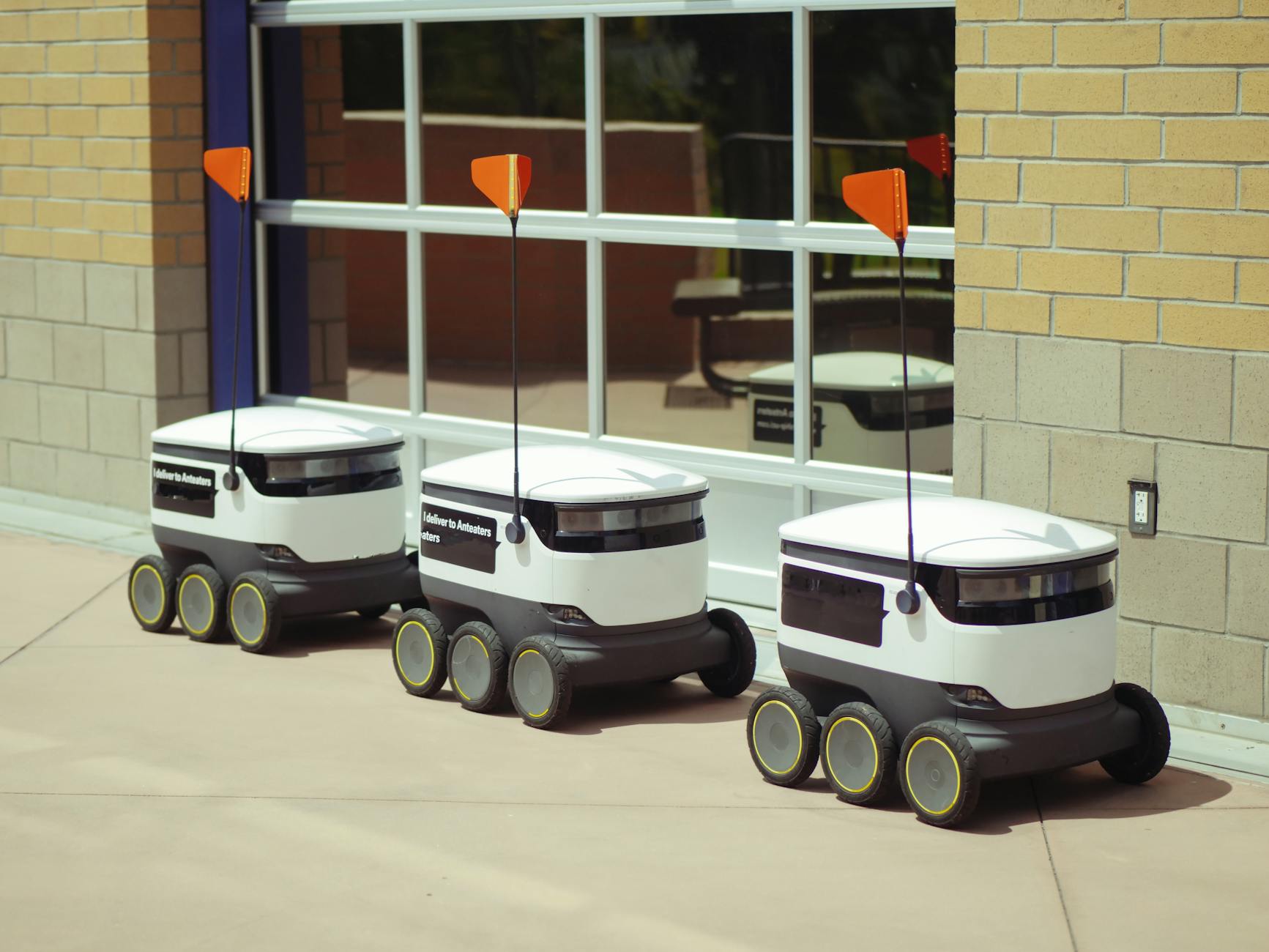
The Rise of Agentic AI in Industry
Agentic AI refers to artificial intelligence systems capable of autonomous decision-making and task execution with minimal human oversight. Unlike traditional AI, which often requires explicit instructions, agentic AI systems can interpret data, reason, and act independently. This capability is revolutionizing industries by enhancing efficiency, reducing costs, and enabling new business models.
Transforming Finance with Autonomous Systems
In the financial sector, agentic AI is reshaping operations by automating complex processes and improving decision-making. For instance, Oracle has introduced an agentic AI platform for retail banking, designed to enhance automation and personalization across digital and in-person services. This platform includes AI applications that support human oversight while improving operational efficiency. Key features encompass various "experience" and "domain" agents, such as the Product Brochure Generation agent and the Smart Assist for Application Insights agent, which streamline tasks like information management and application processing. (itpro.com)
By 2030, it's anticipated that finance will operate as self-optimizing networks of autonomous agents. These agents will collaborate, transact, and continuously learn under governed guardrails, with agent coverage exceeding 80%. This shift positions finance as a strategic growth engine and value orchestrator for enterprises. (kpmg.com)
Revolutionizing Supply Chain Management
Supply chain management is another domain experiencing significant transformation through agentic AI. Gartner predicts that by 2030, 50% of cross-functional supply chain management solutions will utilize intelligent agents to autonomously execute decisions within the ecosystem. (gartner.com)
Agentic AI enhances supply chain operations by:
Smarter Forecasting and Demand Planning: AI agents analyze historical sales data, real-time signals, and external factors to predict demand accurately, reducing overstock and avoiding stockouts.
Inventory Optimization and Cost Savings: These agents monitor warehouses and distribution centers in real time, dynamically adjusting inventory levels and simulating backup strategies during disruptions, leading to accuracy gains of 20–30% and up to 50% fewer stockouts. (blockchain-council.org)
Enhanced Logistics and Transport Efficiency: Agentic AI optimizes routes, schedules fleets, and reduces idle capacity, rerouting shipments in real time to lower transit costs and fuel usage.
Practical Applications and Case Studies
Manufacturing: Companies like BMW are testing humanoid robots in automotive manufacturing plants, enabling 24/7 operations and improving task quality. (weforum.org)
Mining: Rio Tinto employs self-driving trucks in remote mines, enhancing efficiency and safety. (weforum.org)
Healthcare: Agentic AI systems are being developed to autonomously monitor and respond to supply chain disruptions, ensuring timely delivery of medical supplies. (arxiv.org)
Challenges and Considerations
While the benefits are substantial, implementing agentic AI comes with challenges:
Data Quality: High-quality, structured data is crucial for effective AI decision-making. Poor data can lead to costly errors, such as flawed loan approvals in banking. (techradar.com)
Trust and Transparency: Ensuring AI systems operate transparently and ethically is vital to gain stakeholder trust. Organizations must establish robust governance frameworks to oversee AI actions. (techradar.com)
Integration with Existing Systems: Seamlessly integrating agentic AI into current workflows requires careful planning and may involve overhauling legacy systems.
The Future of Agentic AI
The trajectory of agentic AI points toward increasingly autonomous and intelligent systems capable of handling complex tasks across various industries. As these technologies evolve, businesses that adopt and integrate agentic AI will likely gain a competitive edge through enhanced efficiency, innovation, and responsiveness to market changes.
Need help with implementing agentic AI in your operations? Get in touch — we'll help you harness the power of autonomous systems to revolutionize your industry.
Written by Ayyoub Boufounas